The Song Of The River by Julian Gallo

A story about love, loss, faith, and the hope of connection that survives death.


Jasper is an old man now. His worn-out moccasins slide along the old, dusty wooden floor with careful, hesitant steps. Carlo can’t remember the last time he saw him. The last time he came to the campsite, he was a teenager. Back then, Jasper was strong and vigorous. The years have taken their toll. Carlo watches him as he shuffles around the office looking for the keys to the cabin. The cabin Carlo’s father owns. It hasn’t been used since Carlo’s father died.

           ‘You look just like your father,’ Jasper says as he pokes around the desk drawers. ‘Just like he did when he was your age. The resemblance is uncanny. Your father was a good man. I miss him.’

           ‘He always spoke very highly of you.’

           ‘That’s nice to know.’

           Jasper finds the keys and hands them to Carlo. They are still attached to the same keychain, the one Carlo brought back from Spain.

           ‘I knew they were around here somewhere,’ Jasper says. ‘There’s no mistaking that keychain. It’s the only one like it around here.’

           Carlo recalls his father’s expression when he first presented it to him. It was a Father’s Day gift meant for his house keys, but he used it for the cabin keys instead—his sanctuary.

           ‘You were just a boy the last time I saw you,’ Jasper says.

           ‘It’s been a long time.’

           They look at one another in silence.

           ‘Anyway,’ Jasper says. ‘There you are. Everything should be in order. No one’s been there since your father died. He was a good man, your father.’

           Jasper shuffles out the door, leading the way towards the cabin. It isn’t necessary. Carlo remembers the way. He doesn’t object and allows the old man to do his job.

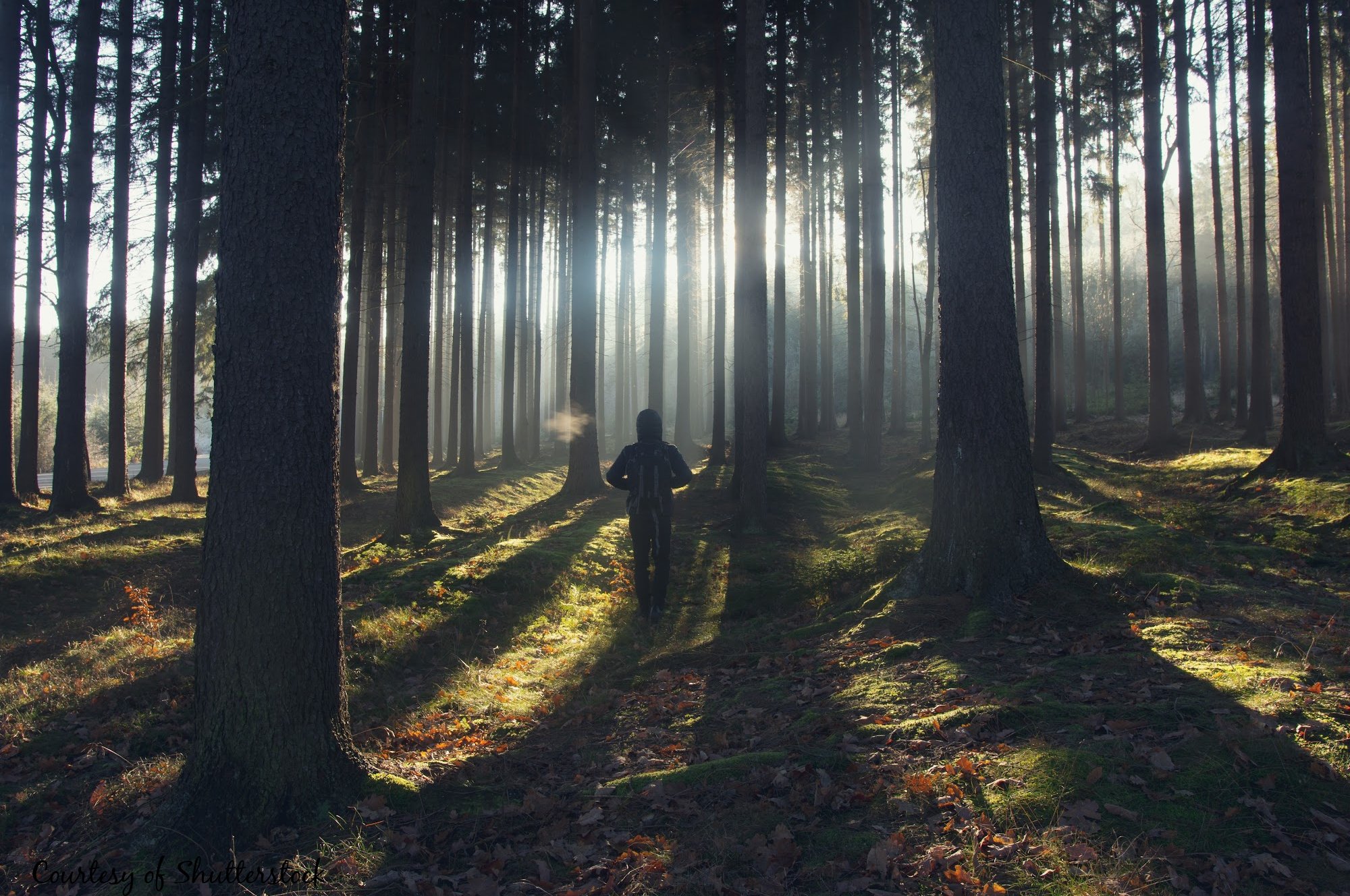
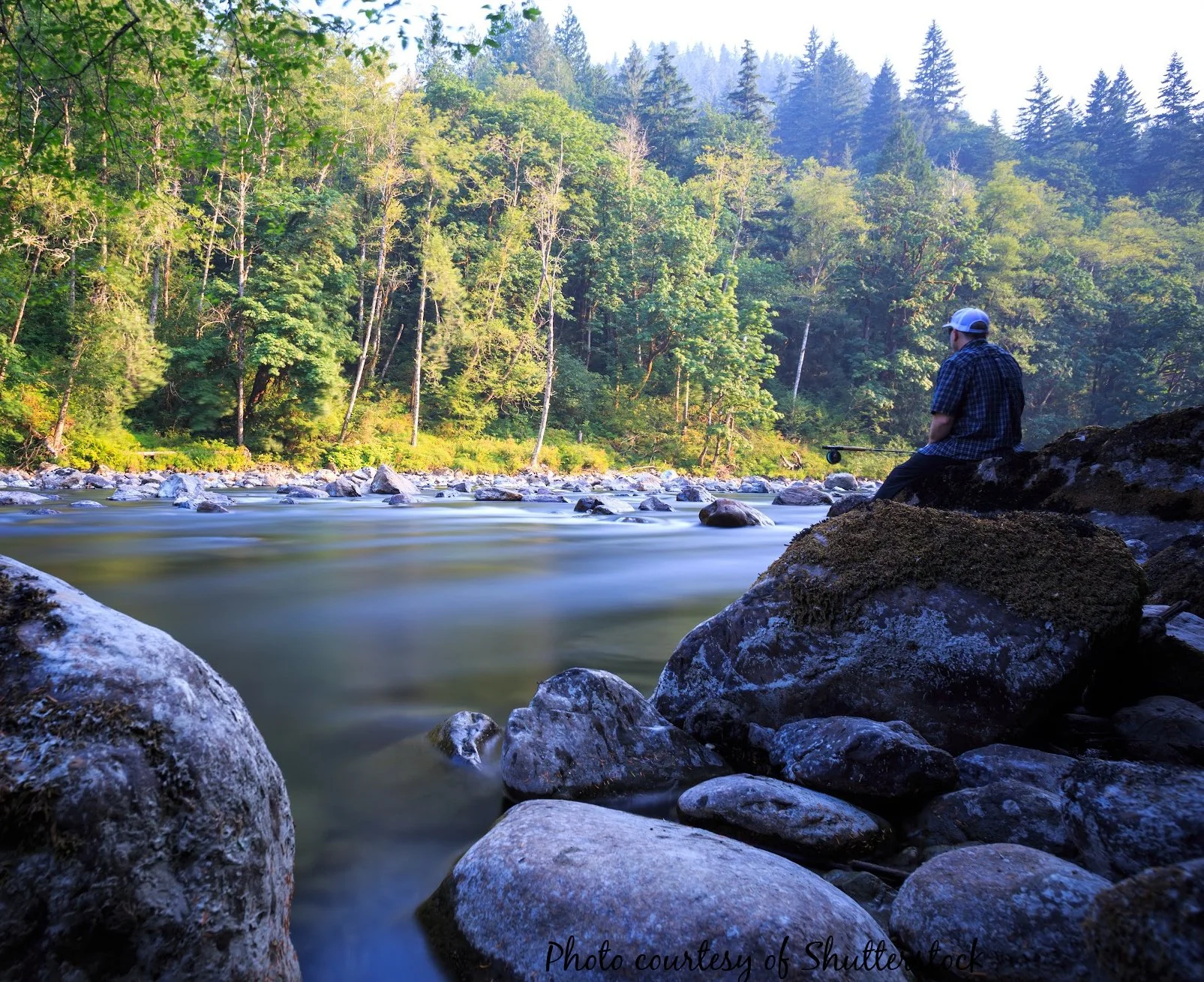
           It’s a crisp November morning. The trees have turned color. The ground is damp from last night’s rain. It’s peaceful and silent, save for the old man’s moccasins shuffling along the dirt. Beside them flows the river, where Carlo’s father loved to fish. Carlo spent a lot of time beside the river. It’s nice to see it again.

           ‘So what brings you this way after all this time?’

           ‘Memories,’ Carlo says.

           ‘Of course. Your father was a good man. I miss him. I’m eighty years old now. Amazing. Your father was older.’

           Carlo doesn’t say anything and follows the old man down the path. The sky is grey but light. There is no threat of rain.

           ‘Where are your belongings?’

           ‘In the car,’ Carlo says. ‘I parked it near the office.’

           ‘You should have told me; I would have helped you.’

           ‘I didn’t bring much.’

           ‘Well, all your father’s things are still in the cabin. You won’t need much, I suppose. What are you going to do? Some fishing?’

           ‘Maybe,’ Carlo says. ‘I mainly came to rest.’

           ‘There isn’t much to do other than that — and fishing.’

           ‘That’s fine. I could use the rest.’

           The old man looks him over. ‘From what? You seem very rested and healthy to me. Much like your father was.’

           ‘It may not show.’

           ‘What do you do?’

           ‘I work in finance.’

           ‘Wall Street? Ah, yes, I remember your father saying something about that. He was very proud of you. Your father was a good man. I miss him.’

           They approach the cabin. It looks well maintained. Dead leaves have collected in front of the door. Jasper sweeps them away with his foot and steps aside to allow Carlo to unlock the door. Carlo steps inside while Jasper waits in the doorway. The air is damp and musty and smells of old wood.

           It looks the same. All his father’s belongings are still where he left them. His fishing rods stand next to the fireplace, and his Bible sits on the table.

           ‘The flowers that were in the vase were all dried up, so I threw them away,’ Jasper says.

           ‘That’s fine. You’ve done a wonderful job maintaining it.’

           ‘That’s my job. Besides, I always liked your father. It was the least I could do. Sometimes I’d like to think he'd come back at some point, so I wanted to keep things tidy. He was a good man, your father. I miss him.’

           Everything is as it was, as if he'd been there yesterday. The bed is covered with the same bedspread, the same keepsakes sit in the same places on the mantelpiece, the same generic landscape painting hangs on the wall above the fireplace, the same coffee table, the same chairs, the same bookcase with all this father’s books.

           ‘Thank you,’ he says to Jasper.

           ‘Do you need any help with your things?’

           ‘No, thank you. I’ll take care of it.’

           ‘Well, if you need anything…’

           Jasper closes the door. It’s very quiet. The kind of silence he seeks. He goes through the cupboards to see if there is anything, but they’re all empty, save for a few candles and a box of matches. He’ll have to do some food shopping. There’s fishing, of course, which is how his father usually fed himself, but he’s not his father and has become a creature of convenience. He inspects the refrigerator. It’s in good working order but empty. He then tries the stove. An electric one. It works well, but he sees no reason why it wouldn’t. He's amused that the modern age has worked its way into the old cabin. When his father bought it, it was rustic, minimal, as were all the cabins on the site. Times have changed. No one wants to live like that anymore. Had it not been for his mother, who loved coming to the cabin, his father would have left it as he found it.

           He removes his cellphone from his pocket to find the nearest grocery store. He’s not getting a signal. Just as well, he thought. He remembers seeing a grocery store a few miles back.

. . . . . .

Carlo sits on the riverbank and smokes one of his father’s cigars. He found a few in the humidor stashed away in the bookcase. It’s a bit stale but still smokeable, and the smell of it reminds him of how his father used to smell. It’s quiet, and he listens to the crackle of the small campfire. It’s not a clear night. The air is cool and smells of wet dirt. The sky is still overcast, hiding the stars; however, his memory of the starlit sky above him is ever present. It’s a sky he’d seen many times. Before him, the river flows, and he momentarily considers breaking out one of his father’s fishing rods in the morning and trying his hand. He wasn’t much of a fisherman, even as a child. His father's Bible sits beside him on the damp ground. A rather unassuming one, but one handed down through many generations. He’s not even sure why he has it with him. To have his father near, perhaps. He picks up the Bible and leafs through it. Its pages are thin and worn. His father had highlighted certain passages, but it’s hard to read them in the campfire light. He places the Bible down beside him again.

Sounds fill the air now: the crack of branches, the rustle of dry leaves, and other vocalizations from animals he can’t identify. He checks his cellphone for messages but still can’t get a signal. Just as well, he thought. Silence is what he desires. He closes his eyes and listens to the campfire crackle. He tries not to think of anything but the sound of the fire, but other thoughts creep in: his work, his wife, his two children, his debts, his mortgage. He opens his eyes and looks at the campfire. The flames have grown lower. He tosses some dry twigs into the fire, then the remainder of his father’s cigar. How is it done, he wonders? He looks towards the river. It’s barely visible in the dark, but he can see a glimpse of it in the glow of the moonlight behind the clouds. Jasper, who lives in the town near the campsite, was always a strange man with strange ideas. Jasper would often talk to his father as he fished in the river. Jasper said the river had moods; sometimes it wanted to give, and other times it wanted to take. His father would listen and show him proper respect, but later joke about it. Carlo never knew what Jasper was on about, or why his father found it so amusing. Now he thinks he understands. Perhaps there wasn’t anything funny about it at all.

           He lies down on the ground and looks up at the sky. A small patch of clear sky reveals itself. The warmth of the fire feels good. It reminds him of childhood and the weekend camping trips with his father. Memories. That’s all he has. Not connection. He doesn’t feel him. Absence. A name, a memory, a cigar, and a bible. Nothing more.

. . . . . .

The morning is heavy with fog. It lies over the river and drifts into the trees. The air is damp and cold, colder than it was the previous morning. He had prepared a pot of coffee on the stove. He takes one of his father’s fishing rods and some tackle with him. He returns to the same spot and sets up a small campfire. He places the pot of coffee over the flame. He lays the fishing rod and tackle box beside him and sips his coffee. From his shirt pocket, he removes another of his father’s cigars and lights it over the fire. He eyes the fishing rod. It had been a long time since he’d done any fishing. He isn’t even sure what to do. He’ll wait until the fog lifts. He sits quietly, sipping his coffee and smoking his father’s cigar, blowing plumes of smoke into the fog. The smoke swirls within it, drawing interesting patterns in the mist. His father used to do that on misty, foggy days such as this. He shuts his eyes and becomes still, trying to connect. He listens to the chirping of the birds, the acorns hitting the ground, the rustle of leaves in the breeze, the movement of squirrels among the dried branches and dead leaves, but he senses nothing. He opens his eyes and watches the fog over the river and over the trees on the opposite bank, his cloud of cigar smoke drifting in the mist. He listens closely for the sound of the river. It’s ‘song’ as Jasper once spoke of it. He’s not sure why he still remembers that.

           He places the cigar in his mouth and reaches for the fishing rod and tackle box. He pokes through the tackle box looking for what he thinks he needs, but he doesn’t know what he’s looking for. It’s been too long. He does his best to prepare the rod and walks to the riverbank. He could use his father now to remind him what to do. He casts the line into the water and waits. If he catches anything, it will be a miracle. I need you now, Dad, he says to himself. The fog remains. The line disappears into it. He can feel the weight of the lure in the water.

Is this how it’s done? He no longer remembers. He is not his father. He should have paid him more attention. He knows he has no idea what he’s doing, but it’s the act that matters, even if it’s nothing more than a performance. It helps him to connect, and perhaps this is one way to do so. He can’t help sensing his father out there, laughing at him, poking fun at him, along with all his other deceased relatives, refusing to intervene, amusing themselves. His father always did well whenever he fished in this particular river. As a boy, he always thought it was sheer luck to catch anything. He hardly ever did, but that never mattered. It mattered not to his father, either. It was the act, the ritual, the bonding. As he grew older, he never believed much in luck. To him, luck was just a word for when things happened the way you wanted them to. The universe doesn’t care. It’s cold and indifferent. It is the height of conceit to believe anything else. Why would something so vast care about his petty concerns? Does it care about all living things? Will it care about that poor fish if he happens to hook one?

           His father, on the other hand, was religious. He read his Bible every morning. He had one at home, one at his workplace, and one in the cabin. He never discussed his religious views with his father. He let him believe what he thought. He played along with all the rituals and sacraments, but, like his attempt to fish, it was all pantomime. His father would have never understood his way of thinking. Yet, in some way, some of it stuck. He wouldn’t be there right now had it not.

           He sits there a long time, waiting for a bite. Nothing does. He reels in the line, returns to his spot next to the campfire, and pours himself another cup of coffee. He’s still, lost in thought. Everything is quiet. Then he thinks about the city, about the noise, the crowds, and the confusion. It’s no wonder his father loved to come up here. It was more than an escape. It was spiritual, though his father would have never described it that way. His father felt a lot of things but never said them.

           The fog begins to lift. The sun attempts to break through the clouds. He watches the river and its endless flow. He meditates on that for a little while, watching the current carry broken branches and dead leaves towards its unknown destination. It’s a view he remembers from childhood, when his father first took him to the campsite and he watched him try to bag another trout. Where did it all go, he wondered then? He wonders the same thing now.

           The sound of someone approaching diverts his attention. Shuffling down the path, dressed in a faded red-and-white flannel shirt, faded grey cotton pants, and a Vietnam veterans baseball cap, Jasper makes his way toward him.          

           ‘I went to the cabin to see how you were doing,’ Jasper says when he reaches him. ‘I had a feeling I’d find you here. This was your father’s favorite spot.’ He removes his baseball cap, wipes sweat from his forehead with the back of his hand, and looks out over the river. ‘Water’s high,’ he says, putting his cap back on.

           ‘Looks the same to me.’

           ‘You have to watch it. It ebbs and flows. No need to worry about flooding, though. It could rise to this level if it rains enough.’ He eyes the fishing rod. ‘Catch anything?’

           ‘I’m afraid not.’

           ‘You doing okay?’

           ‘Yes, fine. Why were you looking for me? Is there a problem?’

           ‘No, no problem. Just looking in on you.’ He removes his cap, wipes his forehead again, and looks out over the river. The fog is still there but slowly lifting. ‘I used to look after your father,’ he continues. ‘Sometimes I think I used to annoy him, but he was always good to me. Especially after I came back from the war.’ He points to his cap. ‘You were probably just a boy when I was in the war. Your father, he wasn’t in the war. He was a bit older than me. He missed it, thank God.’

           ‘Would you like a cup of coffee? There’s some left in the pot.’

           Carlo pours him a cup and hands it to him. ‘I don’t have a chair,’ he says, ‘but you’re welcome to join me.’

           Jasper doesn’t say anything and sits down beside him, though not without a bit of a struggle. He sips the coffee and looks out at the river. ‘Yep, it ebbs and flows,’ he says. ‘It doesn’t matter if you believe it, but it does.’

           ‘I’ve no reason to doubt you.’

           Jasper sips his coffee, then eyes the fishing rod. A faint smirk tugs at his lips. ‘So no luck, huh?’

           Carlo looks at the fishing rod. ‘I was never much of a fisherman. I don’t really know what I’m doing.’

           Jasper eyes the fishing rod again and smiles, sipping his coffee. ‘Everything comfortable in the cabin?’

           ‘No complaints. It’s quiet.’

           ‘Yes, it’s very quiet here.’

           ‘It’s what I wanted, though.’

           ‘Your father, too.’ He looks Carlo over. ‘I can’t get over the resemblance.’

           They both sit in silence, staring out over the river. Then Jasper looks up at the sky.

           ‘Another storm is coming,’ he says.

           Carlo looks up. ‘It looks like it’s clearing to me.’

           ‘No, it’s coming. Don’t you feel it?’

           ‘It feels just a bit chilly.’

           ‘Trust me. You live out here long enough, you can tell.’ He sips his coffee. ‘Your father, he could tell. He wasn’t always a good listener, though. Sometimes I thought he laughed at me.’

           ‘Why do you say that?’

           ‘Just a feeling.’

           ‘Well, Dad was sort of traditional.’

           ‘That he was. I don’t think he always understood what I said to him. Different generations, I suppose. But I think he intuitively understood. That’s why he loved coming here. Spend enough time here, you begin to understand.’

           Carlo doesn’t say anything.

           ‘You don’t get me, either, do you?’ He sips his coffee. ‘That’s okay. Not everyone does. Take this river, for instance. It flows, and it will continue flowing, whether we are here to see it or not.’

           ‘I remember when I was a kid, you said something about the river having a song.’

           He looks at Carlo. ‘You heard me say that?’

           ‘I do. I think I was eight or nine. My father was fishing right on the bank over there. You were with him, drinking a can of beer. You said that to him.’

           “Well, I’ll be darned,’ Jasper says. ‘And you remember that?’

           ‘I never knew what you meant, but I thought about it often over the years.’

           ‘Your father just laughed. I didn’t take offense. He didn’t understand.’ He drinks the remainder of his coffee. ‘Your father read the Bible often enough, but he never seemed much into reading anything else.’

           ‘That’s true. Most of the books he has in the cabin are about fishing.’

           ‘Yeah, he knew a lot about fishing.’

           ‘So what did you mean?’

           ‘You have to experience it,’ he says. ‘You have to really listen. I learned that in the war. There was a river, not too different from this one. I learned it there. I kept it to myself, though. No one would understand.’

           ‘My dad mentioned you were in the war.’

           ‘It’s not exactly my fondest memory. I don’t like to talk about it much.’

           ‘I understand.’

           Jasper stares out over the river. The fog has receded into the trees. ‘You come to learn a lot of things experiencing something like that. Heck, I was just a boy. I’m grateful that I survived. But I learned a lot about what’s important and what isn’t. Your father, he sometimes went through things. I tried to help him. He was a good man, your father. I miss him. I met him before I went to war. I worked here on the site when he used to come up to fish. I was probably seventeen, eighteen years old. Maybe just before you were born. He was always kind to me. I appreciated that.’

           ‘He lived a long, fruitful life.’

           ‘Still, you’re never quite prepared to lose them. Even when they get old.’

           Jasper looks up at the sky again, points to the gathering clouds in the distance, over the tree line. ‘See?’ he says. ‘I told you another storm is coming.’ He tries to stand up. Carlo helps him to his feet. ‘I ought to get going,’ he says. ‘There are things to do.’ He looks up at the sky again. ‘You still have a little time. It won’t rain for another hour or so. Thank you for talking to me.’

           He begins shuffling away, back toward the office. He stops, turns around, and asks. ‘Are you a religious man?’

           ‘I was raised a Catholic.’

           Jasper laughs. ‘A very interesting choice of words,’ he says, grinning. ‘You wouldn’t happen to be a lawyer by any chance. No, no, you’re not. Wall Street, right? Your father was very proud of that.’

           Carlo sits down on the ground, a little closer to the campfire, and tosses a couple of dried twigs into the flame. He relights the cigar off the flame, looks out over the river. He sits silently for a moment and listens. He doesn’t hear anything.

. . . . . .

The rain on the roof of the cabin is steady and hard. Carlo lies on the bed and listens to its hypnotic rhythm. Nature’s percussionist. His father’s Bible lies open next to him on the bed. He was curious about the passages his father chose to highlight. The ones he did seemed out of character. Interestingly, none of the highlighted passages were from the Old Testament. The majority of them were sayings attributed to Jesus. He read until his eyes grew heavy, then set the Bible aside to listen to the rain. Jasper was right, and he now wonders what else the old man may have been right about. He closes his eyes and listens, trying to connect. All his father’s things surround him, yet his father seems curiously absent. He asks for a sign, for anything which might answer his questions. He eyes the Bible next to him and considers continuing to read it but instead closes it. He lays it on the night table next to the bed. It seems strange sitting there, so he gets out of bed and places it on the table where his father originally left it.

           The rain intensifies. The wind whips the branches into a frenzy, scattering dead leaves and broken branches all around the cabin. Puddles form in the dirt. He looks out into the trees, up at the sky, but he can’t see anything beyond the perimeter of the cabin’s outdoor light. It rained like this once, when he was five, during a summer excursion to the cabin. The thunder and lightning terrified him. He crouched beside the bed as the wind shook the cabin's walls and made the lights flicker. His father’s presence eased his fears, and he was coaxed out from behind the bed to look out at the storm through the same window. He was no longer afraid, and he faced it with all the courage he could muster. He didn’t want to disappoint his father, who stood by him, his big hand resting on his shoulder, a cigar burning between his lips. His mother wasn’t there that time. It was just the two of them, a long weekend of hiking and fishing. But he’s no longer there, the storm isn't as severe, and even if it were, he’d overcome his childhood fear of storms. There were other storms to worry about now, ones that were not as easily overcome. He thought of Jasper then, wondering if he was still at the campsite or had left before the storm he knew was coming arrived.

           The power goes out.

           He lets his eyes adjust to the dark, then slowly moves toward the bed. He gropes for his cellphone on the night table. He shakes it and turns on the flashlight. He remembers the candles and the box of matches in the cupboard. He lights three of them — one for the table, one for the kitchen counter, the other for the night table. He leaves the cellphone flashlight on, propping it up on the mantle. He sits on the foot of the bed and listens to the rain. He glances at the sheet of rain running down the window. Other than the wind and the rain tap-dancing on the roof, it is eerily quiet. He lights one of his father’s cigars and paces the room, staying within the perimeter of light the candles and cellphone flashlight offer, taking the same steps over and over again, like a monk in a labyrinth. He eyes his father’s Bible on the table, but he does not reach for it. It sits there, under the flickering candlelight. His father found solace in those pages. He never could, though he had tried. Even tonight, as he read his father’s highlighted passages before the lights went out, he tried to reconcile the man his father was with what he read. What did he seek, and why?

           A knock sounds at the door.

           Jasper stands before him in a yellow rain slicker and matching bucket hat pulled down over his eyes. He’s holding a red plastic lantern. Behind him, the storm rages on.

           ‘The whole site lost power,’ Jasper says. ‘Are you doing all right?’

           He steps aside to allow Jasper in. Jasper looks around the cabin, says, ‘You found the candles. Your father was always prepared. Do you need anything? I’m making the rounds to see if anyone needs anything, not that there are many people here.’

           ‘I’m okay, thank you. I just wasn’t expecting it.’

           ‘It’s a local problem. The wind knocked down a tree into some power lines. It’ll probably be out all night.’ He looks around the cabin again. ‘Does your father have a lantern?’

           ‘I didn’t see one.’

           Jasper looks under the sink. ‘Ah,’ he says, and reaches towards the back. ‘Here you go,’ he says, and looks for the switch. He flicks the switch, but nothing happens. ‘The batteries must be dead. Does he have batteries around? No matter. I have some in the office.’

           Jasper places the lantern on the table.

           ‘You were right about the storm.’

           ‘You get to know after a while.’ He looks out the window. ‘It’s like a nor’easter, but none was forecast. Strange. It’s really coming down.’ He turns away from the window and looks around the cabin again. ‘I just need to make a couple of stops, check on the other guests, and I’ll be back with the batteries.’

           ‘No worries,’ Carlo says. ‘I was just about to go to bed, anyway.’

           ‘Do you want them?’

           ‘Don’t trouble yourself. The candles should do just fine.’

           Jasper shrugs and starts for the door.

           ‘Have you been here the whole time?’

           ‘I’ve been in the office. I sometimes stay here. Thank God I did because I’m sure the roads are a mess. Would have had a heck of a time getting back here from town. And now with the power out and all…’

           Carlo opens the door for him. The storm still rages, the trees bending and swaying in the wind.

           ‘Sometimes when it rains like this, it makes you think,’ Jasper says, looking up at the sky. ‘Sometimes nature has its way of throwing a tantrum. Could be one of those times. It’s because of how the world is these days. No one wants to listen anymore.’

           Without another word, Jasper points his lantern ahead of him and steps out into the rain. Carlo watches him until he disappears into the night. He closes the door and laughs, though he isn’t sure why. It probably would have amused his father, too, he muses.

           He eyes the Bible on the table. He walks over to it and opens it at random. In the candlelight, he reads one of his father’s highlighted passages: Whoever believes in me, as the Scripture has said, out of his heart will flow rivers of living water.

           He sits on the foot of the bed, closes his eyes, and tries again to connect. Nothing. He lies back on the bed and listens to the wind and the rain drumming on the roof of the cabin.

. . . . . .

The bank where he had been sitting is gone. The river had risen. Broken branches and leaves spin in the current. He stands a few feet from the new shoreline, his father’s fishing rod lying against his shoulder. It’s almost an entirely different landscape. The air smells of wet earth.

           ‘See?’ a voice calls from behind him.

           He turns to see Jasper walking towards him, his rain boots sinking into the mud.

           ‘That was one heck of a storm,’ Jasper says. ‘I hear the power will be back up later this morning. Everything okay?’

           ‘I thought I’d get some fishing in.’

           ‘The river rose. That was one heck of a lot of rain.’

           They both survey the debris the storm left in its wake.

           ‘It happens sometimes,’ Jasper says. ‘It’s beautiful in its own way. It’ll recede though. It always does.’

           ‘How are the roads?’

           ‘Why, are you leaving?’

           ‘Just curious.’

           ‘A bit of flooding. Some trees down. Not impassable but treacherous.’

           ‘I guess fishing is not in the cards this morning.’

           ‘Did everything hold up all right? Another cabin, a little ways down from here, water came through the roof. I have to go over and take a look at it.’

           ‘No issues at all, no. Just no power.’

           ‘Your father, he was looking out for you.’

           ‘I’d like to believe that.’

           ‘You don’t think so?’

           ‘I don’t feel him.’

           ‘Maybe you’re looking in the wrong place.’ Jasper surveys the area. ‘That was quite a storm. Mother Nature sure threw a tantrum last night.’ He looks up and down the river. ‘It just keeps flowing. It doesn’t care about us, does it? It does what it wants. Anyway, if you need anything, you know where to find me. I have to look at that other cabin. Hopefully the damage is not too bad.’

           Jasper walks away, carefully navigating the wet earth.

           Daylight continues to rise beyond the tree line. The current carries debris downstream. He lights one of his father’s cigars and watches Jasper still trying to make his way towards the damaged cabin. He wishes he could be more like the old man and take things in stride the way he seems to. He isn’t built that way. He thinks too much. He thinks about things people say to make themselves feel better. He thinks of the river and how the river doesn’t care. He keeps listening for its song. Perhaps one day he’ll hear it.
Julian Gallo is the author of Existential Labyrinths, Last Tondero in Paris, The Penguin and The Bird, and other novels. His short fiction has appeared in numerous magazines around the world. Julian can be found at juliangallo.substack.com and https://www.facebook.com/julian.gallo/.
It's A Pleasure To Introduce Donna Langevin, An Amazing Poet!

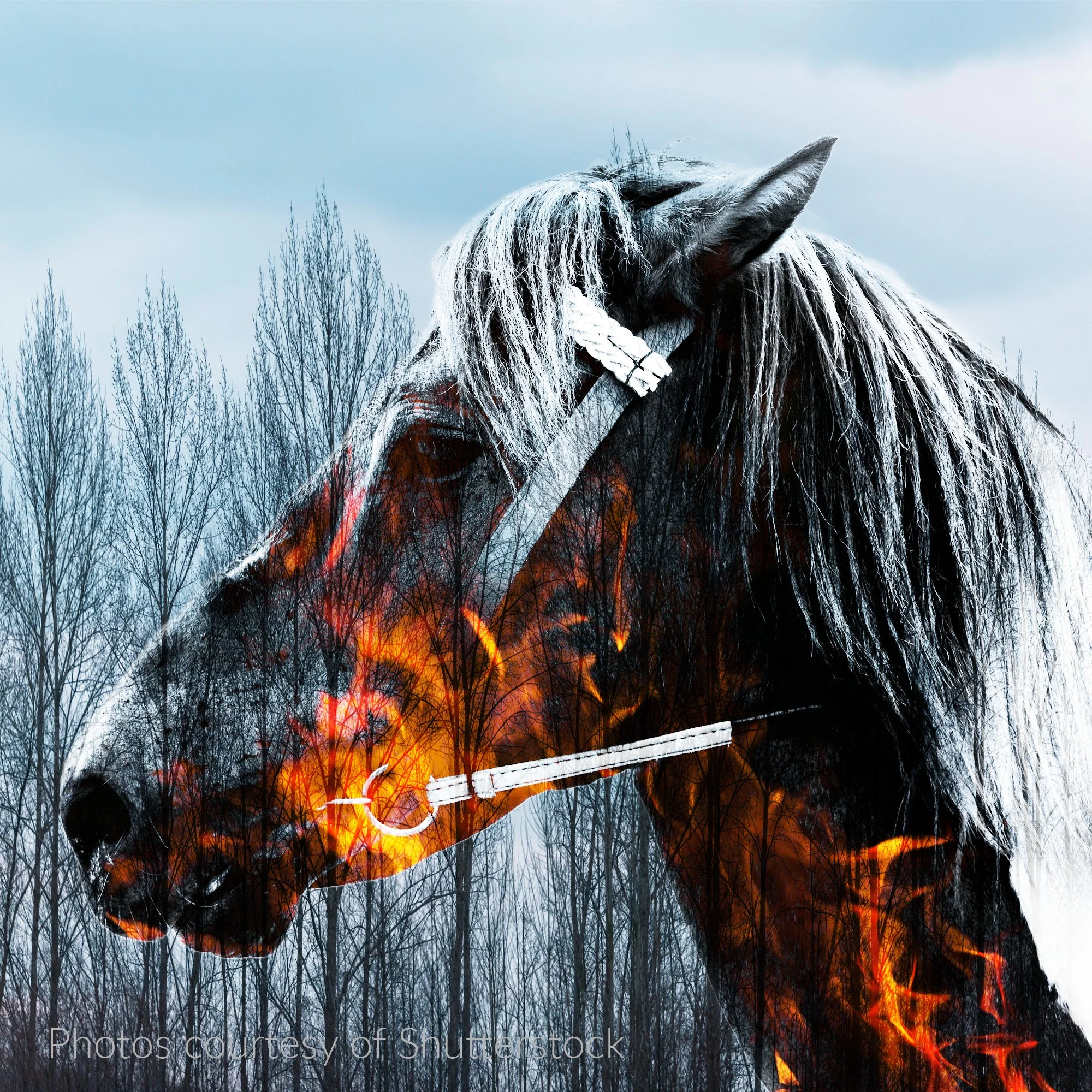
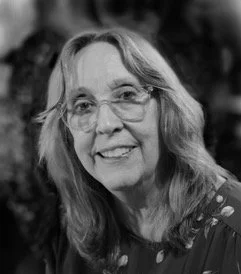
Donna is a fantastic poet from Toronto, Canada, who also has a poem published in the upcoming Volume 7 of Timeless Reflections Anthology. This poem, titled Flicker, is about the Year of the Fire Horse, from Chinese Astrology- the year Donna was born. Enjoy!

Flicker

2026 is the year of the Fire Horse,

a time of fast-paced change, wild energy.

Chinese astrology

I was born in the Year of the Horse, 7 cycles back.

My fire, waning to a flicker,

my heat, reduced to embers,

instead of many melting candles,

my cake will feature two wax numbers.


Hobbled by arthritis, a swayback now,

my gallop, a shuffle,

should I put myself out to pasture,

dwell only in burnt woodlands?

Which hearths are still mine to tend?


Working my way down a bucket list

no flames have yet licked—


Instead of burning paper money

to provide for ancestral ghosts

as my Cantonese neighbors did,

I honor my parents with poems,

celebrate three sons

through phone calls, across dinner tables,

and by digging waterways in the sandbox

with my four-year-old grandson.


As always, old and new friendships warm me

and word-sparks kindle my wooden pencil.


This Fire Horse’s thirst is quenched

at a well-spring of joy.

Donna Langevin lives in Toronto, Canada. Her fifth poetry collection, Brimming was published by Piquant Press, 2019. Her play, Summer of Saints won second place Stella Award from Act 2 Studio, Metropolitan Toronto University, 2022. She won first place in The Ontario Poetry Society Pandemic Poetry Contest, 2020.

Thoughtful Poetry by Omoregie Lawrence

I’m very happy to introduce you to a wonderful poet named Omoregie Lawrence, who lives in Nigeria.  His work is not only thought-provoking but also evokes strong visualization and emotion.  What captured my attention was his honesty and his strength.    I’m sure you will enjoy his work as much as I do!

Alone

The words sit on the tongue like ash 
after the fire has already taken everything. 
When the night presses heavy on the chest, 
there is no voice on the other end of the line, 
no hand reaching through the dark. 
Just silence answering silence.

Trials come wearing familiar faces— 
bills that multiply like weeds, 
a body that betrays with sudden pain, 
memories that cut deeper on lonely anniversaries. 
Others speak of leaning, of shoulders and shared tears. 
I stand upright alone, 
spine aching from the constant effort 
of pretending the weight is not crushing me.

There is a special exhaustion 
in carrying every burden solo. 
No one to say “I’m here” when the ground shifts. 
No one to witness the small victories 
or the quiet collapses behind closed doors. 
The laughter I force feels borrowed, 
the strength I show is borrowed too— 
a performance for an empty audience.

Living like this reshapes the days. 
Food tastes thinner. 
Streets feel wider. 
Every decision lands with doubled gravity— 
no buffer, no second opinion, 
only the echo of my own footsteps 
walking through the ruins and the rebuilding.

I’ve got no one. 

And still the world expects me to rise, 
to smile, to keep moving as if the absence 
does not hollow out the center of me. 
Some nights I whisper the truth to the walls: 
this is too heavy for one pair of hands. 
This loneliness is not noble— 
it is brutal, bone-deep, unrelenting.

Yet in the raw center of it, 
a stubborn thing still beats— 
a heart that has learned to hold its own fractures. 
I keep going, 
not because it is easy, 
but because there is no other choice. 

I’ve got no one. 
And somehow, 
I still carry on.

If you enjoyed this work, you can find Omoregie on Instagram here. Thank you for visiting, Omoregie! It has been a pleasure to have you as a guest on my blog!

Omoregie Lawrence lives in Nigeria. He is a professional Brand Identity Designer and Writer, holding advanced degrees in Peace Studies and Conflict Resolution. Omoregie enjoys exploring diverse writing niches while maintaining his creative freedom. He can be found on Instagram here.

Introducing Shontay Luna, A Fantastic Poet!

I am excited to introduce you to an amazing poet named Shontay Luna from Chicago, Illinois! Shontay’s work is filled with wonderful imagery, taking the reader on an emotional journey through thoughtful interpretation.


At The End Of The Day

I want a gorgeous man when I get home

from a long day, wearing nothing but his

skin and a smile as he automatically pours

me a drink. Putting in so much ice, I’m

reminded of igloos. Containing so much

alcohol,it should accompanied with a ball of

cotton. A concoction of spiked, rebellious

nectar that I eagerly await to partake in. To

forget the heat simmering the city outside

where I passed people frying eggs AND

bacon on the sidewalk. As the beverage

storms it’s way through the desert of my

mouth, it removes from me the day’s events

as well as all reason. A proximate escape

from the myriad of obligations that never ceased.

Handing me another container of soft ambrosia,

my eyes never leave his, the entirety of it’s contents

travelling down and away.

********

Time Is

Time is a mad

songbird, skipping

through lifetimes

when backs are

turned. The passing

can be quick; quicker

than the fastest

outlaw. Within a

blink, he’ll be gone.

Like a songbird,

whistling as he

rides into the sunset.

With bags of gold

topped with heated

pistols. The whispers

of townsfolk emerging

into screams upon the

dawn. Tick tock of the

clock a tap dance on the

brain, as one finale ends

but another begins.

Shontay Luna lives in the Midwest with a mix of pens, paper and Sons of Anarchy’s Juan Carlos “Juice” Ortiz fanfiction fantasies. A part-time public service worker by day, her poems have appeared in WestWard Quarterly, The Listening Eye, Text Power Telling, Umbrella Factory Magazine, Canyon Voices, Toasted Cheese, The Beatnik Cowboy and The Insurgence, among others. The author of four chapbooks of poetry, ‘The Goddess Journal’ is themed with puzzles and affirmations to elevate feminine self-esteem. Another is ‘To James & Sarah with Love’ - a Silent Generation slang memorial to her paternal grandparents. Shontay’s Instagram handle is @shontay_luna.

Beautiful Nature Poetry by John Grey

I am delighted to have John Grey join me again to share some of his outstanding poetry!  These poems speak of renewal and regeneration, celebrating the beauty of life's cyclical nature.  Whether a forest of pines, a peaceful field, or waves lapping on a sandy shore, renewal and reprieve can be found all around us, beckoning and inviting us to see beyond the physical to the spiritual world, knitting everything together so gracefully.  This is the flow of John’s poetry, igniting quiet passion within the heart and mind.

NEW LIFE FROM OLD


Across the field,

wind flurries scurry,

stopping only, now and then,

to tweak the whiskers of squirrels.


Here is blind chance,

a swirling caravan of leaf matter,

that, like the dust of stars,

could lead to new life

or oblivion.


All drop to earth,

when the air becalms,

in some prosperous place,

or a dying spread

that could really use their mulch.


Always the soft landing.

Always the encouragement

to nurture what comes next.


*************

BLUE SUNSET


Lake's dusk


between pines,


glorious blue ceiling,


forerunner of the


yellows, the reds,


mountain's indigo palette,


sunlight seamless, transparent,


that responds, at dusk,


as lilac,


thin, delicate as a sash


Even at night,


the more darkness repeats itself,


the more blue memory sings.


John Grey is an Australian poet, US resident, recently published in Shift, Trampoline and Flights. Latest books, “Bittersweet”, “Subject Matters” and “Between Two Fires” are available through Amazon. Work upcoming in Levitate, White Wall Review and Willow Review.

A Significant Inheritance: Guest Post by Photographer Debby Pueschel

Today I’m delighted to share a guest post by Debby Pueschel, an amazing photographer who I met on Fine Art America! Debby is sharing her beautiful piece titled Alabaster Still Life and the story behind it.

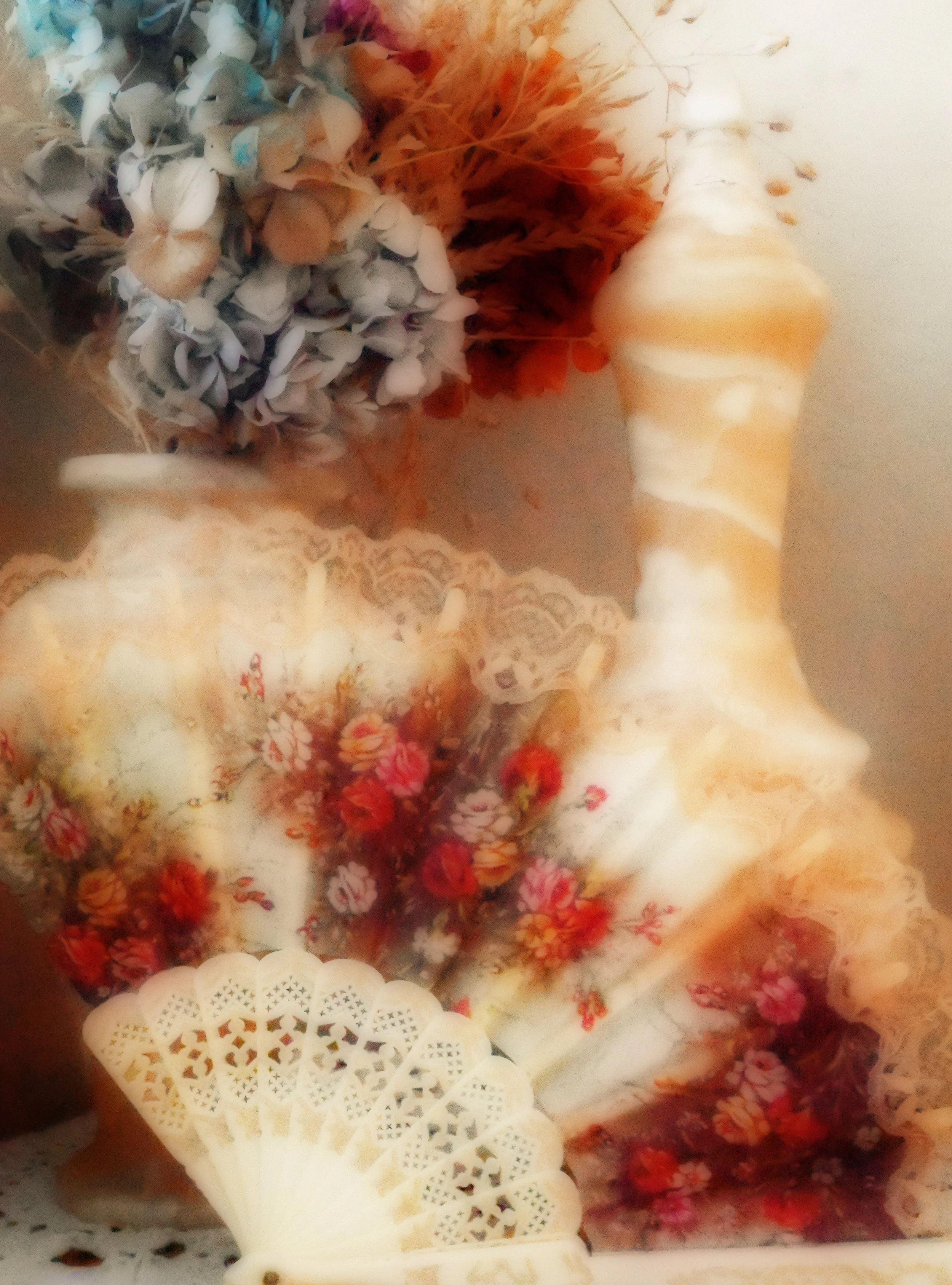
Alabaster Still Life available here.

Any significant inheritance tells a story-one of family, hope, and love.  This is the story behind a lamp that I inherited from my grandmother.  But before I get to that, I’ll tell you a little bit about myself.

My name is Debby Pueschel.  I am a retired first-grade teacher who firmly believes that my students taught me more than I ever taught them!  Children have a unique way of teaching… their innocent sweetness and sometimes brutal honesty can trample the hardest heart and melt it in one fell swoop.  Is it any wonder that Jesus taught that  “...unless you change and become like little children, you shall not enter into the kingdom of heaven.” Matthew 18:3

My husband asked my father for my hand in marriage, and we tied the knot 52 years ago.  (We always laugh when we tell people that when my parents had their 50th wedding anniversary, both of their mothers were there… sheesh… how often do you hear of both mothers being at a 50th wedding anniversary of their children, much less one parent!)  Anyway, I digress...I wish I could say it has been a perfectly happy marriage, but that would not be truthful.  We have gone through trials and hardships, just as many others have.  We give God the credit for keeping us together.  Marriage is difficult, no matter whose marriage it may be.  In our marriage, we see our struggles as an adventure.  Struggles have made us who we are today.

I am a woman of faith, a woman who serves God.  I make mistakes, yet I can ask God to forgive me and work to correct them!  God is my Saviour, the one whom I serve and who walks with me every second of every day.  Without Him, I am nothing, and with Him, my life is full!   Each morning, I ask Jesus to show me to whom I can share His love as I meet people throughout the day.  It is my hope that my artwork and my daily walk will allow others to see the love of God and learn to walk with Him, too.

This photograph is of an alabaster vase and lamp that my grandmother brought from Israel.  She was an amazing woman who lived to be 100. This Alabaster vase and lamp were designated to me by my grandmother before she passed away. Grandma had many beautiful things, but this was not a valuable or cherished piece to anyone but me.  No one wanted it when she died.  I did!  She brought it from the land where Jesus grew up and was crucified.   It is from the land of Jesus’ birth and life. Grandma brought it back home as a reminder of her trip - memories of the place where Jesus had been. Grandma was a huge woman of faith!

Once home, she had the large piece made into a lamp…a lamp that is like a night light that lightens the way in the dark, just as Jesus’s light does!  He is the Light in a dark world.  The vase was a vase from the beginning, so together they make a perfect decorative pair.  Not only is it a beautiful keepsake from my grandmother, but it is a reminder of where our Lord lived, taught, and died.  This is as precious to me as if I had purchased it myself in Israel.

Thank you, Grandma, for following God, for praying that the circle won’t be broken, and for all of us being in heaven with Jesus and you!  Thank you, Grandma, for your life!                                                                                                                                                                                                                

*********

If you’d like to see more of Debby’s beautiful work, you can find her portfolio here. Thank you so much, Debby, for being a guest on my blog! It is a pleasure to have you here!

Guest Post: The True Value Of Land by Patricia Ann Bowen

There are mysteries in this life-things we can’t see that entice and beckon. This guest post by Patricia Ann Bowen tells the story of a woman intrigued by the unknown.

The True Value of Land


My daddy advised me that land was the best investment there was because no one could make any more of it. I finally put my name down on a deed and now, much later, as I reflect on Daddy’s counsel, I realize there is more to land value than money.

I found the place I didn’t even know I was looking for. But really, I think it found me. It became the perfect escape from a bad marriage, one of many addictions I thought I could leave behind with a dramatic change of scene. Where I’d be just me. Self-sufficient. Meeting my basic needs.

I named my property Nine Acres, a moniker I flaunted in conversation. Technically it was only 8.67, but that didn’t have a good ring to it so I rounded up. Who would know but me and the surveyor?

I bought it dirt cheap, no pun intended, because the couple who lived there before me came upon a nest of writhing snakes in the attic of the house. The wife was terrified; there was no calming her down and she couldn’t move out of there fast enough, even though they’d only finished building little more than a year ago.

The husband openly warned me when I came to look at the property. I told him I could put up with snakes; it was the two-legged varmints that bothered me, and even those I could deal with pretty well. That was four years ago.

**************************

My work took me on the road a lot, and I could never spend as much time as I longed to on those Nine Acres. One of my pastimes on days I was home was walking the perimeter of my property, tying little pieces of yellow plastic tape to trees so I could visually delineate the expanse of my landed holding. Sometimes, when I sat down to rest on one of the trails I’d made and take it all in, a family of turkeys might cross my path, or the nesting pair of pileated woodpeckers that lived high above me might exude their raucous chorus. And yes, I’d see the occasional snake slither away under the fallen detritus. It wanted nothing to do with me.

So, not to drag this out too much, one autumn Saturday afternoon when the sky was painfully blue, and oak and poplar and maple leaves were crunching under my hiking shoes, and I was replacing some of the faded tapes, I was startled by a man crouching next to one of the poplars and fingering a piece of tape that had fallen to the ground. “This yours?” he asked, looking up, his sky-colored eyes examining mine.

He looked a lot like Brad Pitt, the mature version. Like the version I fantasized about. Younger than me, but not so much younger to be unseemly for a woman my age. My breath quickened.

“Yes, it’s mine, and this is my property. I’m Delia, by the way,” I added, not wanting to scare off this handsome creature, knowing full well how deceiving looks could be. “What’re you doing here?”

“Sorry. I wandered over from my Uncle Garland’s place, looking for one of his horses that’s gone missing. You haven’t seen her, have you? Dappled quarter horse. Real friendly.”

“Seen lots of critters, but no horses.” I’d read in the local news that my neighbor Garland Headly had passed away a few weeks ago. I’d met him a couple of times. Nice old man. Eccentric. Real private. Lived in a shack on three times as much land as I owned. Rumor was he’d just installed indoor plumbing in the recent past. Anyway, who was this guy and what was he doing on Garland’s land… and mine?

The man stood up, almost a head above me, and put out his hand. I took it in mine briefly, instinctively. “Arthur Porter. Art. Well, again Delia, sorry for trespassing. I’m here closing up my uncle’s place. Should probably just burn it down instead, it’s such a mess. Neighbor girl’s been taking care of the horses, and she did her best to mend the fences but they’re so far gone it’s a lost cause. I guess you know all that, living right next to him. I have to round up all four of them ponies and be on my way.”

I didn’t want him to go. I hadn’t been one-on-one with a man in so long, outside of business situations that is, and my mind was already dancing around naked in these woods with the charming Mr. Arthur Porter. I couldn’t help myself, so I babbled, “Would you like to hike back to the house with me and have some apple cider? It’s fresh pressed from North Georgia. Just bought it this morning along with a huge wedge of cheddar. I could never finish the whole piece by myself.”

“I’d like that, but I have to find Pepper before it gets dark. Would you give me your number and I’ll update you when I do? And this time I’ll come down the driveway instead of through the woods.”

I did, and he did.

***********************

We sat on the deck with cider and cheese and crackers until the mosquitoes came out followed soon after by bats looking for dinner. It rained hard a few days ago and the creek near the house was rushing by at just the right timbre to provide ambiance, as if we needed more. I had only the faintest recall of what we talked about. Like meeting someone new in a bar you’d never been to before, except I remember he did tell me he’d found the horse. I couldn’t turn my eyes away from him.

I’d left the porch doors open to air out my bedroom. As I rose toward it he followed, no doubt about our destination. Even indoors the night was full of sound. Some coyotes, regular visitors, were calling their pack together in the dark woods causing night birds to sound their alarms. Art paused. “Did you hear that? Reminds me of when I stayed at my uncle’s place as a kid. I’ll bet those are descendants of the same pack.” I appreciated his sensibilities, that all things are connected in some way. Then he lifted my chin and kissed my forehead, my nose, my lips.

When he took off his clothes I had an illusion in the candlelight that he was transparent, tinged with slowly swirling colors I could see right through. His cool pulsating greenish fingers moved over me, his throbbing lavender limbs seemed weightless on mine despite his muscular frame, endearments flowed from the soft liquid ocher of his lips. I was afraid to share my impressions with him, afraid he was a fantasy and would go poof, afraid he might stop. Afterward, I told myself that my fear couldn’t be anything more than long suppressed desire… or maybe it was just those cheap colored candles. After all, he’d drunk my cider and eaten my cheese and touched me all over. I’d touched him. He was real enough for me.

*************************

The minute his taillights receded in the distance, I sat at my laptop and googled Garland Headly's obituary. No nephew was mentioned. Just some deceased brothers. Then I googled and Facebooked Arthur Porter. Dead end there too. Well, that didn’t mean much. I’d do more searching tomorrow when I felt fresher and more grounded.

I ambled back to my bedroom where a few candles still burned, now down to nubs, and leaned against the door jamb, looked out into the woods, let my thoughts wander. A Luna moth alit on the screen door, large as my hand with a face that I swear looked like Tinker Bell’s. No magic wand sprinkled pixie dust, no leotard, no hands. Just a big naked moth come to call. I grabbed my phone to get Art back here to see this, but by the time I found his contact info the spirit bug was gone. All that remained of the evening were some iridescent green trails on my arms, my thighs, my belly.


Patricia Bowen's writing career began directly out of college. She graduated with degrees in English and Psychology and has certifications in grief counseling and personal coaching. She applies her knowledge of the mind and the world to fiction writing. Patricia resides on a small island in South Carolina and writes about her travels and life experiences. Patricia's work can be found at https://patriciabowen.com/

Our Newest Guest: Artist Elizabeth Kuntz!

It is with great pleasure that I'm introducing you to a fantastic artist, Elizabeth Kuntz! Her work is deeply spiritual and very emotionally moving. I was able to interview her regarding her work and process, which you can read about below:

1. What inspires you to create art?

My creations are inspired by life itself. Each one of my artworks tells a story on my journey of spiritual growth, bringing light to the lessons of life, and visions to the deep feelings which oftentimes have no words. What I enjoy the most is working on an intuitive level and infusing the composition with energy and emotions. Throughout the process of letting go from engaging with the logical mind, the imagery typically evolves into something unexpected. I try to make the invisible world visible, revealing our sacred connection to nature and the mysteries of the human spirit.

2. How did you get involved with or begin making art?

My dad was a talented sculptor, so I grew up immersed in the art world. He was my greatest art teacher, encouraging my creative expression and helping me to develop my artistic skills from a young age. I eventually continued on to obtain a BFA and pursue a career in graphic design. Several years ago I rediscovered my passion for drawing, and in 2018, held my first solo exhibition in Cyprus, my home for over two decades. I’ve since returned to my roots in America, and exhibit my work in galleries throughout the area. I’ve worked in many different mediums, but ultimately love the freedom I have found through the process of working with pastels.


3. What does your art mean to you? What do you hope it will mean to others?

Art has been my guiding light, helping me to open up to my true nature and heal through personal challenges. It has given me a voice after spending far too much time suffering in silence, and has also brought a greater sense of joy, calm and purpose into my life. Although we are each walking our own unique path and my drawings are inspired by my own unique experiences, we are all connected through the energy of shared emotions. I’m always touched when people feel an emotional connection to one of my pieces, and it’s my hope that they’ll discover their own meaning and story from within their hearts.


4. What is something you want people to know about you/be remembered for?

Besides being a fine artist, I also have a dedicated passion for Tai Chi, an ancient Chinese exercise often referred to as meditation in motion. From the time I embraced both of these forms of self expression, my life has changed in so many amazing and unimaginable ways. My motivation to keep learning and evolving comes from a deep desire to bring more light and understanding into this chaotic world, and hopefully help to inspire others along the way.


5. Please explain these pieces:

“Resilience”

Resilience, available here.

We find inner strength and resilience through nature. Animals are always near, sharing messages to support us on our journey. A redbud tree blossoms into a sign of spring, a time of renewal and rebirth. The planets align in the early morning sky, offering the energy of transformation. A woman joins the earth in meditation. She gains wisdom within the stillness, reclaiming her power as she reconnects with all of life’s creations.

“Connecting”

Connecting, available here.

Something magical happens when we nurture a true connection with another soul. A sacred union forms between two hearts, lifting our spirits into a blissful dance of energy. Our souls are nourished and revitalized as we bask in the bright sunlight. The energy created together strengthens and expands, inviting the spirit and natural world to connect and rejoice in the beauty of the circle of life.

“Giving”

Giving, available here.

The true spirit of giving is to share unconditionally from the heart. An elephant gives an offering of fruit to a human, opening our awareness to the unexpected gifts we receive from nature. The sun and moon share the sky, bringing us balance through the cycles of life. A triangle motif flows through the rolling hills, symbolizing the harmony that exists within unity, and the joy felt within a gracious exchange of energy.

"Rooting the Heart”

Rooting The Heart, available here.

A lost soul begins walking on to an unknown path. Lavender gently blows in the wind, guiding her way forward. The sun reflects a reminder of the constant light of destiny that lies ahead, revealing a connection to our divine source and a gateway to healing our roots. Ancestors gather together on the horizon, igniting the fire of her creative force, awaiting her return back home to finding peace within her heart.

*****************************

If you want to find out more about Elizabeth, you can find her work on Fine Art America here. Thank you, Elizabeth, for being our guest! It was wonderful to have you visit!

Introducing Jan Andersen, A Spectacular Artist!

I recently ran a contest on Fine Art America and Jan Andersen submitted her work. I loved the vibrant colors and dreamy quality of her art, so I decided to feature her on my blog. It’s a pleasure to introduce her to you!

Whirlwind Of Colours In Nature’s Dream available here.

I sent Jan some questions to answer so I could learn more about her. I’m sharing the interview below.

How did you begin creating art?

I have been creating art since I was old enough to hold a pencil. Much of my childhood was spent creating pictures for friends and I developed a particular interest in drawing photorealistic portraits. I won a few competitions, including a trip to Kenya when I was 13, which was organised by the World Wildlife Fund. However, I never believed that I could make a living from being an artist, so I just continued drawing portraits as gifts and favours, including humorous caricatures that summed up people’s personalities. Instead, I entered a career in PR and marketing, subsequently becoming a freelance writer; something I still do today.

Since 2002, when I tragically lost my eldest son, Kristian, to suicide, I have drawn portraits for other bereaved parents and families free of charge. If I can offer some small comfort in creating a portrait that captures the essence of someone’s personality, then that is worth far more to me than any monetary reward.

What is your favorite medium and why?

I have always loved coloured pencils and also acrylic, because of their vibrance and the fact that you don’t have to wait for layers to dry. I’m not sure I would have the patience to work in oils, but I might try soon and surprise myself!

Welsh Lake Sunrise available here.

What inspires you to create your work?

Nature is one of my therapies and I have always found inspiration in the natural world, even if I then create an abstract or surreal piece of art. As a keen hiker, I often develop ideas whilst I am out walking. I have a particular love of mountains and trees. Anything that evokes strong emotions inspires me, whether that is people, animals or scenes from everyday life.

Pembrokeshire Beach Sunset available here.

What does your art mean to you? What do you hope it means to others?

Art means everything to me. I cannot imagine life without it. Along with nature, as mentioned before, it has been a lifesaver and I cannot stress the benefit to anyone of creating art. You do not need a particular talent to derive pleasure and comfort from drawing or painting. Above all, I hope that my art gives pleasure to other people, whether it is a personal portrait, a landscape or an abstract piece. Everyone interprets a piece of art differently, so I love it when people see things in my work that perhaps I haven’t seen myself.

What is something you’d like us to know about yourself/be remembered for?

I am neurodivergent and highly sensitive with a quirky sense of humour. My mission has always been to try and help people where I can, especially those suffering from mental health difficulties. I would like to be remembered for my kindness, creativity and humour.


Wine For Two By Vibrant Fjord available here.

If you’d like to see more of Jan’s amazing work, you can find her profile here. I know you’ll enjoy what you see!

Thank you for being a guest on my blog, Jan! It’s an honor to have you here!

The Value Of Reflection And Appreciation

In the hustle and bustle of everyday life, we are bombarded with advertisements, social media, opinions, and new trends. It is fast-paced. It is intense. We feel that if we don’t keep up we are losing out. And while innovation is exciting and wonderful, so is the ability to slow down and breathe.

Our society is so ramped up that slowing down is almost frowned upon. Not having the latest gadget or fashion item can cause us to feel left out or deprived. While I enjoy innovation, technology, and the wonderful products of today, I also enjoy solitude’s beauty and deep meaning. Without time for reflection and pause, life becomes almost like an automatic reaction to all the stimuli surrounding me. And I believe that life is a learning journey of reflection and understanding. Incorporating reflection into everyday life makes me appreciate today's innovation, technology, and wonders much more. It helps me realize that these things are a bonus as I reflect and focus on the real itinerary of living: learning, loving, growing, appreciating, and improving.

I believe that creativity is woven into the fabric of life. We are all creators. We all have unique gifts to share with the world. But I think many of us get stuck. We become so focused on what is happening around us that we neglect our own gifts and talents. That is where reflection and pause come in. They guide us where we need to go and inspire us to do the things we are good at doing.

Stillness Speaks available here.

When I become still, it inspires me to want to contribute my gifts and talents to the world. It helps me dream about what I can do. I see the beautiful planet and I realize the abundance available to us. It is humbling. I think about others who lived before us and how their contributions gave us so much to appreciate today: electricity, appliances, and clean water pumped into our homes are just a few. It’s all a matter of balance: taking time to stop and breathe. To create an ebb in the continual flow of life. It moderates us. It secures us so we can reflect before we act. It is also important in the natural world. We need balance to protect and sustain our natural world so that it can protect and sustain us.

Take a moment to reflect on what you love. On what you enjoy doing. On where you hope to be ten years from now. If you love art, create it! If you love music, write it! If you have an idea, do it! Dive into life! Do what you love and love what you do! Appreciation and reflection open doors and enlighten the heart. They help you think of new possibilities and expand your mind. When you use your talents to help others and to improve our world, it will bring beautiful things to you. And it will heal your soul!

New Wine

New Wine available here.

Just as grapes are crushed in the process of creating wine, we are also crushed during times of sorrow and affliction. Like sweet, new wine, we are able to transform into more wise, understanding, and compassionate people as a result of living through these moments. This piece of art is an abstract expression of that process.

Every Experience Is A Treasure That Can't Be Bought

Experience is the greatest teacher. It is true. Experience is invaluable, important, and exceptional in making us better if we choose to allow it to.

Even hard things teach good lessons. In fact, hardship is one of the best teachers because it ingrains understanding, wisdom, compassion, and grace in us. When hardship comes, if we remember that we can learn from it and grow from going through it, we can see it as valuable. We can change our perspective towards it through envisioning it in a different way.

Money can’t buy experience. It can’t buy love or compassion or mercy. Money is valued highly in our society, and yes, it is important in meeting physical needs. But experience is just as important in meeting needs that money can’t buy.

Try to see your experiences as treasures. When going through a tough time, remind yourself that even your current experience will eventually lead you to a better place if you are able to reframe your attitude and belief about it. Focus on elevation-rising above the turmoil and insecurities you are facing in order to see good possibilities coming from your experience. Sometimes it’s tough to do, but well worth the effort. You will be thankful later if you are able to train yourself to stay positive now. Especially if what you are going through is really tough.

Surround yourself with others of a like mindset. Lift and build each other up. Then you will come to know a new freedom and wisdom from the inside out. That wisdom will bring you closer to overcoming your fears and succeeding at accomplishing your dreams!